
Plastic has better alternatives.
We grow them.
Only 9% of plastic ever made has been recycled. 98% is derived from fossil fuels. Single-use plastics take 20–500 years to fragment — and never fully disappear. Peer-reviewed research is linking microplastic exposure to serious health outcomes in humans, animals, and soils.
The uncomfortable Truth
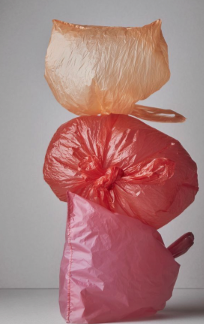
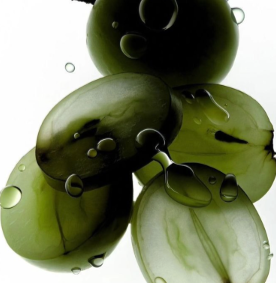
We are on a mission to develop bio-based materials that biodegrade fully — at a price that removes every excuse not to switch.
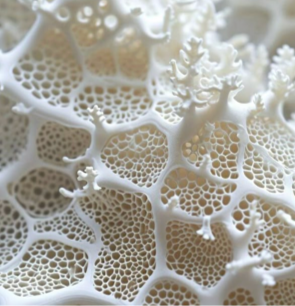
Most sustainable packaging stops at "less bad." We're building for something better.
We replace conventional plastic with certified biodegradable materials. But we're also part of a system where we will trial disposed packaging conversion into biogas (waste to value) — and the byproduct of that process will become biochar, a nutrient-rich material that restores degraded soil and sequesters carbon.
Our packaging won’t just avoid harm. It aims to put something back.
The European Commission estimates over 100 million hectares of EU land are affected by erosion alone. We think packaging can be part of the solution.
OUR MODEL: REPLACE AND REMEDIATE
Each Material WE grow has its own Superpower
-
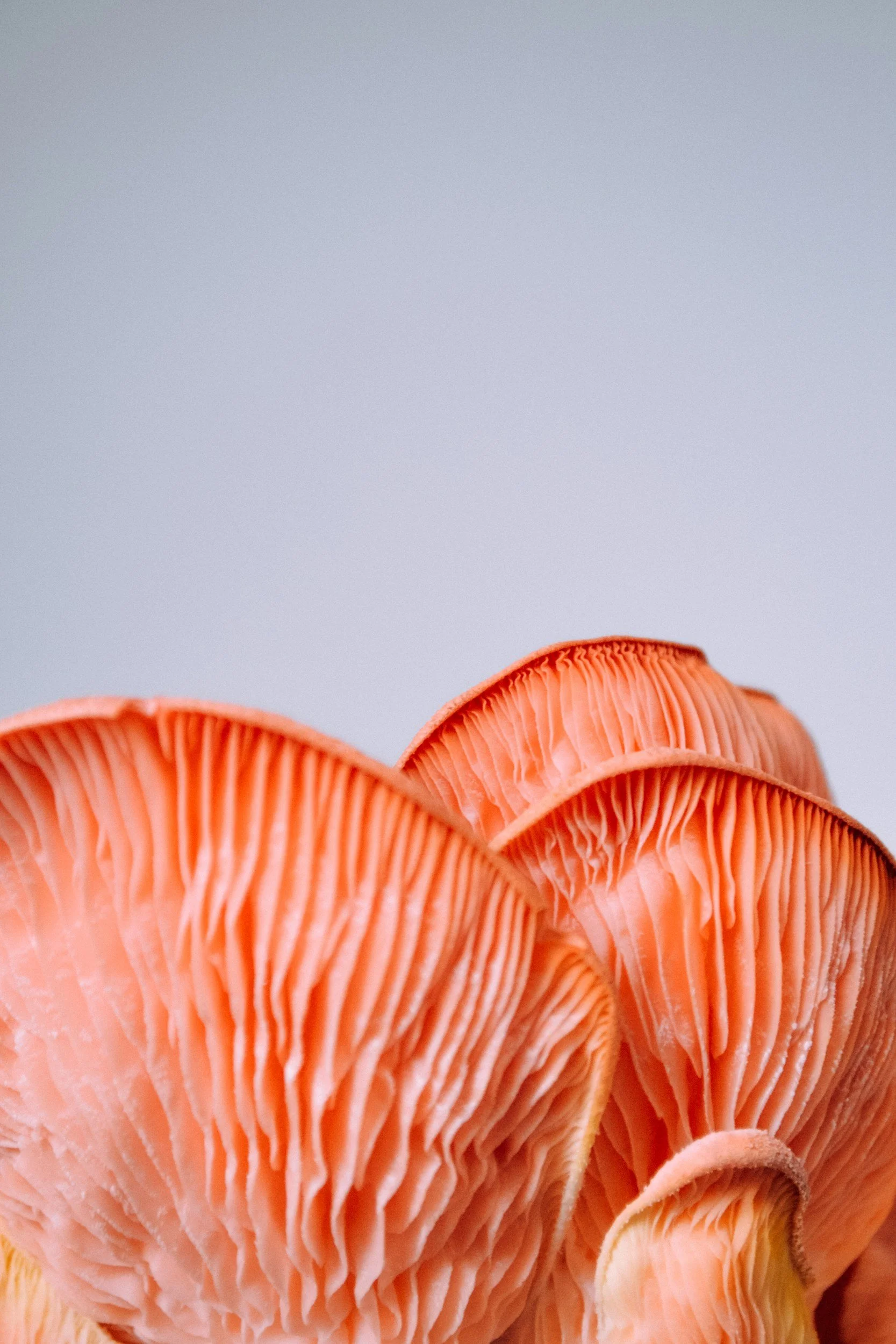
Mycelium
NETWORK BUILDER
Neither plant nor animal, mycelium weaves invisible networks through soil -helping plants share nutrients. Grown on agricultural waste in as little as 15 days. -
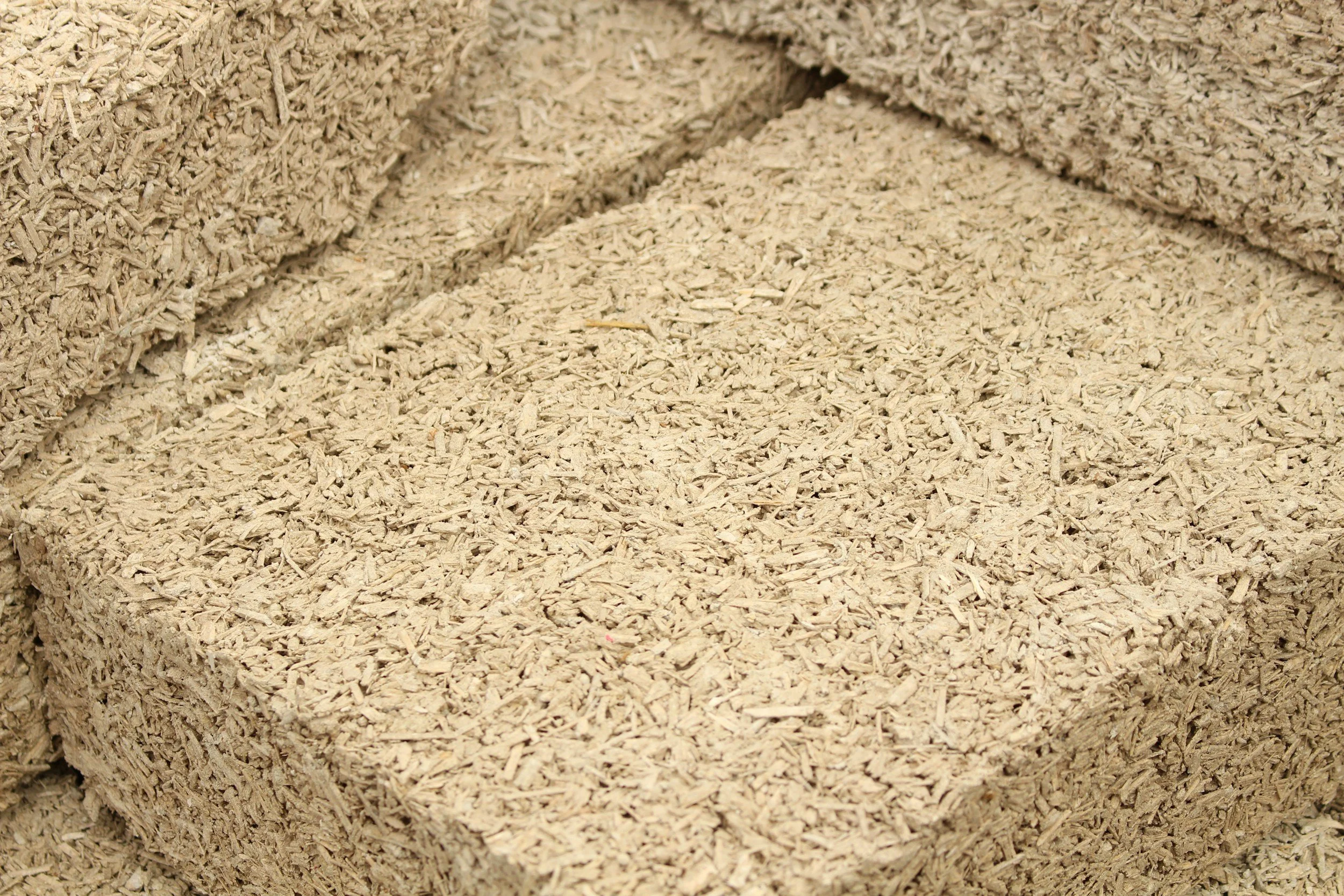
Hemp
STRONGER THAN STEEL
One of nature's most maligned plants, hemp can aerate compacted farmland while its fibre rivals steel for tensile strength. It grows in 3–4 months, not the 20–40 years of the trees we keep cutting down. -
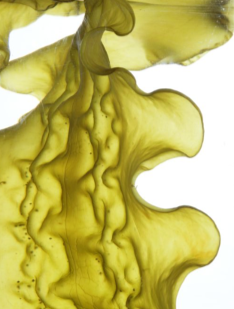
SEAWEED
WATER PURIFIER
Seaweed produces oxygen, absorbs carbon, and behaves like the original inspiration for plastic - without the microplastics. Grows without land, freshwater, or fertiliser. -
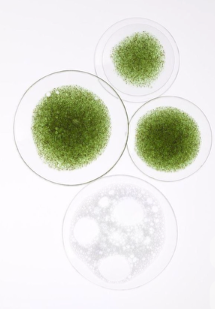
MICROBES
ORIGINATOR OF LIFE
The oldest life form on earth, microbes can be directed to ferment waste feedstocks into packaging that performs like plastic and disappears like nature intended.
Frequently Asked Questions
-
Right now we are in R&D for mushroom and hemp based packaging. Focussed on fruit and vegetable trays, netting and bread bag ties. In the future we will develop algae (seaweed) and microbe based packaging for bottles, film, and flexible pipettes.
-
Our model is built on two principles: replace and remediate.
We replace conventional plastic with certified biodegradable packaging — but we don't stop there. We're part of a group that is trialling a full circular system: when our packaging is disposed of, it can be converted into biogas (energy), and the byproduct of that process becomes biochar — a nutrient-rich material that remediates degraded soil.
This means our packaging doesn't just avoid harm. It actively contributes to soil remediation, addressing a problem that the European Commission estimates affects over 100 million hectares* of EU land through erosion alone.
-
You can reach us anytime via our contact page or email. We aim to respond quickly—usually within one business day.